
In the modern automotive industry, few materials have generated as much attention as automotive carbon fiber. Often referred to as the “Black Gold” of advanced engineering materials, carbon fiber has transformed the way manufacturers design high-performance vehicles, luxury cars, motorsport components, and aftermarket upgrades.
As the global automotive market moves toward lighter, stronger, and more efficient vehicles, carbon fiber has become a key material for achieving these goals. From carbon fiber air intake systems and aerodynamic body kits to interior trim panels and structural components, carbon fiber is now widely used across a growing range of automotive applications.
The appeal of carbon fiber lies in its unique combination of properties. It is significantly lighter than steel, stronger than many traditional metals, highly resistant to corrosion, and capable of maintaining structural integrity under extreme temperatures. These characteristics make it an ideal material for manufacturers seeking to improve vehicle performance, fuel efficiency, handling, and aesthetics.
In this guide, we will explore what carbon fiber is, how it is manufactured, why it is becoming increasingly important in the automotive sector, and how it is shaping the future of automotive engineering.
What Is Carbon Fiber?
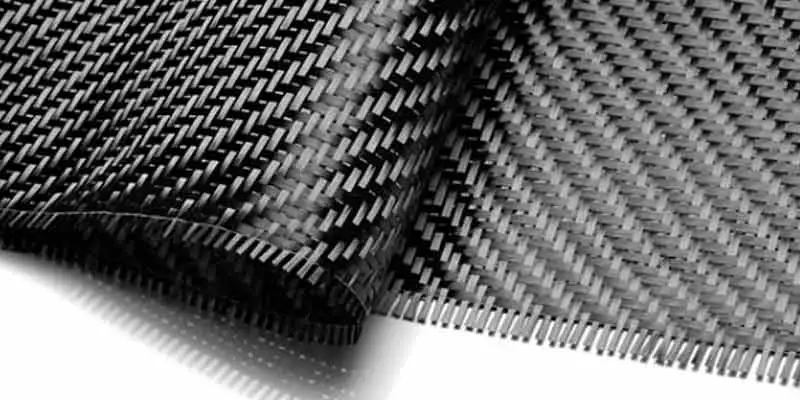
Carbon fiber is a high-performance material composed of thin strands of carbon atoms bonded together in microscopic crystals. These crystals are aligned parallel to the fiber axis, creating a material with exceptional strength and stiffness while remaining remarkably lightweight.
To be classified as carbon fiber, the material typically contains more than 95% carbon. The fibers are produced through a complex manufacturing process involving stabilization, carbonization, and graphitization of precursor materials, most commonly polyacrylonitrile (PAN).
A single carbon fiber filament is incredibly thin—approximately 5 to 10 microns in diameter, which is about one-tenth the thickness of a human hair. Despite its small size, carbon fiber exhibits extraordinary mechanical properties that surpass many conventional engineering materials.
Because of these advantages, carbon fiber has become a preferred material in industries where weight reduction and structural performance are critical, including aerospace, motorsports, defense, renewable energy, and automotive manufacturing.
Why Carbon Fiber Is Important in the Automotive Industry
The automotive industry constantly seeks ways to improve performance while reducing weight. Vehicle weight directly affects acceleration, braking, cornering capability, fuel consumption, and electric vehicle range.
Traditional automotive materials such as steel and aluminum have long dominated vehicle manufacturing. However, carbon fiber offers a significantly better strength-to-weight ratio, making it one of the most effective materials for lightweight vehicle construction.
Modern automotive manufacturers use carbon fiber for several reasons:
- Weight reduction
- Improved structural rigidity
- Enhanced aerodynamic performance
- Better fuel economy
- Increased electric vehicle efficiency
- Premium appearance and design flexibility
- Corrosion resistance
- Long-term durability
As emission regulations become stricter and consumers demand higher performance, the role of carbon fiber in vehicle design continues to expand.
Physical and Mechanical Properties of Automotive Carbon Fiber
Exceptional Lightweight Characteristics
One of the most significant advantages of carbon fiber is its low density.
Carbon fiber typically has a density of approximately 1.5–2.0 g/cm³, compared to steel at approximately 7.8–8.5 g/cm³. This means carbon fiber can deliver similar or superior strength while weighing only a fraction of traditional metals.
For automotive applications, reducing weight improves nearly every aspect of vehicle performance. Lighter vehicles require less energy to accelerate, stop more efficiently, and place less stress on suspension and drivetrain components.
High Tensile Strength
Carbon fiber is renowned for its impressive tensile strength.
Depending on the grade and manufacturing process, carbon fiber can achieve tensile strengths ranging from 3,000 MPa to over 8,000 MPa. By comparison, many automotive steels typically range between 300 MPa and 600 MPa.
This exceptional strength allows engineers to design lightweight components without sacrificing structural integrity.
High Stiffness
Another important characteristic of carbon fiber is its high modulus of elasticity.
High-modulus carbon fibers can achieve stiffness levels significantly greater than steel while maintaining a much lower overall weight. This property is particularly valuable in chassis reinforcement, aerodynamic components, and motorsport applications where rigidity directly affects performance.
Fatigue Resistance
Automotive components experience constant stress cycles throughout their service life.
Carbon fiber demonstrates excellent fatigue resistance, enabling components to maintain their structural performance even after prolonged exposure to vibration, load cycles, and dynamic forces.
Corrosion Resistance
Unlike steel, carbon fiber does not rust.
Its resistance to moisture, chemicals, road salts, and environmental exposure makes it highly suitable for long-term automotive use, especially in demanding climates and performance applications.
Thermal Performance and Heat Resistance
Heat management is a critical factor in automotive engineering.
Carbon fiber offers several thermal advantages that contribute to its popularity in performance vehicles.
Low Thermal Expansion
Carbon fiber exhibits very low thermal expansion, meaning it maintains dimensional stability even when exposed to significant temperature fluctuations.
This property helps preserve component fitment and structural consistency under varying operating conditions.
High Temperature Resistance
Carbon fiber can withstand extremely high temperatures when used in appropriate composite systems.
In inert environments, carbon fiber can tolerate temperatures exceeding 2,000°C. Although automotive applications rarely encounter such extreme conditions, this heat resistance makes carbon fiber suitable for engine bay components, air intake systems, and motorsport applications.
Thermal Insulation Benefits
Unlike metal intake systems that readily absorb engine heat, carbon fiber composites provide improved thermal insulation.
For carbon fiber air intake systems, this characteristic can help reduce heat transfer from the engine bay, supporting more consistent intake air temperatures under demanding driving conditions.
Carbon Fiber vs Steel: Which Material Is Better?
One of the most common questions in automotive engineering is:
Carbon Fiber vs Steel
The answer depends on the application.
| Property | Carbon Fiber | Steel |
|---|---|---|
| Density | 1.5–2.0 g/cm³ | 7.8–8.5 g/cm³ |
| Tensile Strength | 3,000–8,000 MPa | 300–600 MPa |
| Strength-to-Weight Ratio | Extremely High | Moderate |
| Corrosion Resistance | Excellent | Requires Protection |
| Thermal Expansion | Very Low | Higher |
| Fatigue Resistance | Excellent | Good |
| Weight Reduction Potential | Outstanding | Limited |
For automotive applications where lightweight performance is critical, carbon fiber offers significant advantages.
How Carbon Fiber Is Manufactured
Producing automotive-grade carbon fiber requires a highly controlled manufacturing process involving multiple stages.
Step 1: Raw Material Preparation
Most carbon fiber is produced using polyacrylonitrile (PAN) precursor fibers derived from petroleum-based feedstocks.
The precursor material undergoes extensive purification and processing before entering the fiber production stage.
Step 2: Fiber Spinning
The PAN polymer is dissolved and extruded into fine fibers through specialized spinnerets.
These fibers serve as the foundation for the final carbon fiber structure.
Step 3: Stabilization
The precursor fibers are heated in air at temperatures ranging from approximately 200°C to 300°C.
During this stage, the molecular structure begins to transform, preparing the fibers for carbonization.
Step 4: Carbonization
The stabilized fibers are heated to temperatures between 1,000°C and 1,500°C in an oxygen-free environment.
Non-carbon elements are removed, leaving behind highly concentrated carbon structures.
Step 5: Graphitization
For premium-grade fibers, additional heat treatment may occur at temperatures above 2,500°C.
This process aligns graphite crystals and increases stiffness, resulting in high-modulus carbon fiber suitable for demanding engineering applications.

Manufacturing Technologies for Automotive Carbon Fiber Parts
Once automotive carbon fiber fabric is produced, it must be transformed into finished components through specialized manufacturing processes.
Resin Transfer Molding (RTM)
RTM is widely used for medium-volume production of automotive carbon fiber parts.
The process involves placing dry carbon fiber reinforcement into a mold and injecting resin under controlled pressure.
Advantages include:
- Consistent quality
- Excellent surface finish
- Efficient production cycles
Compression Molding
Compression molding is commonly used for higher-volume manufacturing.
Pre-impregnated carbon fiber materials are compressed within heated molds to form finished components.

Vacuum Infusion
Vacuum infusion utilizes vacuum pressure to draw resin through dry carbon fiber layers.
This process offers cost advantages while maintaining good structural performance.
Autoclave Manufacturing
Autoclave processing is widely regarded as the highest-quality manufacturing method for premium automotive carbon fiber components.
The process combines:
- Prepreg carbon fiber
- Vacuum bagging
- Controlled temperature curing
- High-pressure environments
Autoclave manufacturing produces components with:
- Superior fiber consolidation
- Reduced void content
- Enhanced structural performance
- Excellent surface quality

Dry Carbon Fiber vs Wet Carbon Fiber
When discussing automotive carbon fiber products, two terms frequently appear: dry carbon fiber and wet carbon fiber.
Dry Carbon Fiber
Dry carbon fiber components are typically manufactured using prepreg materials and autoclave curing.
Benefits include:
- Lower weight
- Higher strength
- Better fiber-to-resin ratio
- Improved dimensional accuracy
- Premium appearance
Wet Carbon Fiber
Wet carbon fiber products are generally produced through hand layup or resin infusion processes.
Advantages include:
- Lower production costs
- Faster manufacturing
- Suitable for various aftermarket applications
For premium automotive performance parts, dry carbon fiber is generally considered the preferred option due to its superior structural properties and finish quality.
Automotive Applications of Carbon Fiber
The use of carbon fiber in modern vehicles continues to expand across virtually every vehicle category.
Carbon Fiber Air Intake Systems
One of the most popular aftermarket applications is the carbon fiber air intake system.
These systems combine lightweight construction with excellent thermal insulation and premium aesthetics.
High-performance enthusiasts often choose carbon fiber intake systems because they complement modern engine bay designs while reducing overall component weight.
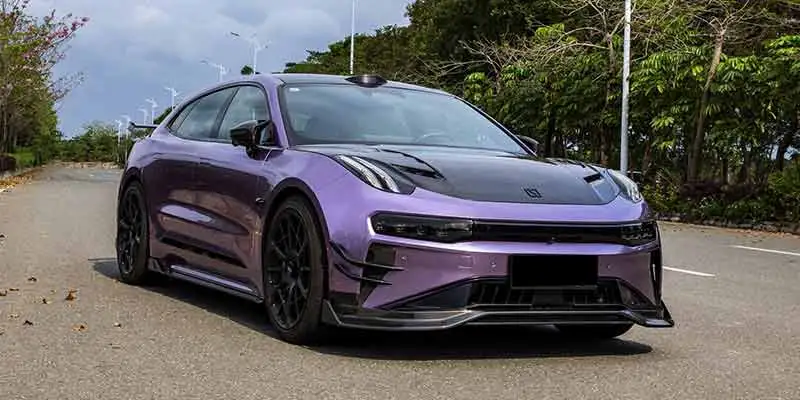
Carbon Fiber Exterior Parts
Carbon fiber exterior components have become a defining feature of performance vehicles.
Common applications include:
- Front lips
- Rear diffusers
- Side skirts
- Spoilers
- Mirror covers
- Hoods
- Fenders
- Trunk lids
These components help reduce weight while enhancing vehicle appearance and aerodynamic performance.
Carbon Fiber Interior Trim
The use of carbon fiber inside vehicle cabins has increased significantly in recent years.
Popular interior applications include:
- Dashboard trim
- Center console panels
- Steering wheel accents
- Door trim pieces
- Seat back covers
Carbon fiber interiors provide a modern, performance-oriented appearance that appeals to automotive enthusiasts worldwide.
Structural Automotive Components
Automakers increasingly utilize carbon fiber composites in structural applications, including:
- Monocoque chassis
- Roof structures
- Reinforcement members
- Crash structures
These applications maximize the material’s lightweight and high-strength characteristics.
Advantages of Automotive Carbon Fiber Parts
Improved Performance
Reducing vehicle weight improves acceleration, handling, braking, and overall driving dynamics.
Enhanced Fuel Efficiency
Lighter vehicles require less energy to operate, contributing to reduced fuel consumption and improved efficiency.
Better Electric Vehicle Range
Weight reduction is particularly valuable for electric vehicles, where every kilogram saved can contribute to increased driving range.
Premium Appearance
Carbon fiber’s distinctive weave pattern has become synonymous with performance, luxury, and advanced engineering.
Long-Term Durability
Resistance to corrosion and environmental degradation contributes to longer service life and reduced maintenance requirements.
Challenges Facing Carbon Fiber Adoption
Despite its many advantages, carbon fiber also presents several challenges.
Higher Production Costs
Carbon fiber manufacturing remains significantly more expensive than conventional steel and aluminum production.
The complex manufacturing process, specialized equipment, and high-quality raw materials all contribute to higher costs.
Manufacturing Complexity
Producing high-quality carbon fiber components requires strict process control, advanced tooling, and skilled technicians.
Recycling Limitations
While carbon fiber recycling technologies continue to improve, large-scale recycling remains a challenge compared with traditional metals.
Impact Sensitivity
Carbon fiber offers exceptional strength but behaves differently from metals under certain impact conditions, requiring careful engineering and design considerations.
Future Trends in Automotive Carbon Fiber
The future of automotive carbon fiber looks increasingly promising.
Several trends are expected to accelerate adoption:
Growth of Electric Vehicles
As EV manufacturers seek to maximize driving range, lightweight carbon fiber components will become increasingly valuable.
Expanded Use in Mass Production
Advances in automated manufacturing technologies are gradually reducing production costs and increasing scalability.
Sustainable Manufacturing
Industry leaders continue to invest in recyclable carbon fiber materials and more sustainable production methods.
Increasing Demand for OEM and Aftermarket Components
Demand for premium automotive carbon fiber products—including intake systems, body kits, spoilers, diffusers, and interior trim—continues to grow globally.
This trend creates new opportunities for manufacturers offering OEM, ODM, private label, and custom carbon fiber solutions.
Conclusion
Automotive carbon fiber has evolved from a niche motorsport material into one of the most important advanced materials used in modern vehicle engineering. Its combination of lightweight performance, exceptional strength, corrosion resistance, heat tolerance, and premium aesthetics makes it a preferred choice for both OEM manufacturers and aftermarket brands.
From carbon fiber air intake systems and aerodynamic exterior components to interior trim upgrades and structural vehicle parts, carbon fiber continues to redefine what is possible in automotive design and performance.
As manufacturing technologies advance and production costs become more accessible, the adoption of automotive carbon fiber will continue to expand across performance vehicles, luxury automobiles, electric vehicles, and future mobility platforms. For manufacturers, distributors, and automotive brands, carbon fiber is no longer simply a premium material—it is a key technology driving the next generation of automotive innovation.